Central Performance is home to a leading contemporary clinical Pilates studio in Surry Hills, just 3 minutes from Central Station with easy access from the Sydney CBD, Darlinghurst, Paddington, Redfern and inner-city suburbs. Whether you want physio-led Pilates to recover from injury or back pain, or small-group and private sessions to build strength and control, you’ll train with a maximum of 4 people per class on the full studio apparatus — reformer, Cadillac, Wunda Chair and more — guided by Pilates teachers with 20 years’ experience or physiotherapists with extensive Pilates training, not a pre-recorded playlist.
What is clinical Pilates?
Clinical Pilates is Pilates applied with a clinical lens — the classical apparatus and repertoire, guided by an understanding of anatomy, injury and rehabilitation. Rather than a fixed class routine, your program is matched to your body: your history, your goals, and whatever you’re working through, whether that’s back or neck pain, a recent injury, pre- or post- pregnancy, or simply years at a desk.
At Central Performance, clinical Pilates spans two delivery styles under one roof: physiotherapist-delivered sessions for injury rehab and pain (our ReForm program), and instructor-led studio Pilates with Narelle Clark, our Pilates manager with over 20 years experience teaching clients as well as training Pilates instructors. Both use the full apparatus; the difference is who leads them and what they’re for.
Physio-led Pilates — clinical Pilates that’s genuinely different
If you’re searching for physio Pilates or physio-led Pilates in Sydney, here’s what sets ours apart from a fitness-studio reformer class. Our physio-led sessions are delivered by physiotherapists, built around your specific body and any injury or pain you’re managing, and progressed the way rehabilitation should be — targeted, safe and individually adjusted. It’s Pilates as clinical exercise, not a group workout with a clinical label.
That matters because most reformer studios run large classes on a set routine. If you have a disc issue, a cranky shoulder, a knee you’re protecting or a back that flares up, a generic class can’t adapt to that in the moment. Physio-led Pilates can — and does, every session.
What happens at your first Pilates session?
Every Pilates journey with us starts with a one-on-one session — never just a drop-in to a busy class. This first session is where the real difference begins, because it’s where we find out about exactly what you are looking to achieve with Pilates, and how we can best provide this for you.
Your instructor takes the time to get to know you: your goals, your history, any injuries or pain, how you move, and what you want Pilates to do for you. They will also discuss your exercise history, including Pilates experience as well as other types of exercise. From that assessment, we build a program that’s genuinely yours — matched to your body and your goals, not a generic routine everyone in the room is following.
This is what sets us apart from the big reformer studios. In a 15-person reformer class, everyone does the same routine regardless of their body, their injuries or their goals. At Central Performance, even if you later join our small group Pilates program, you’re always doing your own personalised program — because we took the time to assess you properly first, and because our groups are capped at four so you can be closely supervised the whole time.
Once you’ve completed your initial one-on-one sessions, and both you and your instructor are confident in your technique and program, you have the option to continue one-on-one or move into a small group class — whatever suits your goals, budget and preference. Your instructor will discuss all of your options with you and let you decide what works best for you.
Pilates for back pain in Sydney
Back pain is one of the most common reasons people come to us for Pilates — and one of the areas where a physio-led, individually-programmed approach makes the biggest difference. Rather than loading a sore back into a generic class, we assess what’s actually driving your pain — posture, core control, hip and spine mobility, movement habits — and build a program that rebuilds strength and control safely.
There’s a clear reason Pilates works so well for backs. When you have an episode of lower back pain, research shows that in some cases your brain’s pain-inhibition reflex actually reduces the activity of your deep core and lower back muscles — and those muscles don’t always automatically switch back on to full strength once the pain settles. That leaves a weak spot that raises your risk of the pain returning. In fact, research shows an 80% risk of recurrence of within a year after an episode of lower back pain — a risk that can be reduced significantly with exercise, including a directionally-specific core retraining program like clinical Pilates.
For persistent (chronic) or recurring back or neck pain, clinical Pilates is an effective and safe way to introduce exercise into your rehab program. You begin with 1:1 sessions in our ReForm program, then as you improve, many clients move into small-group studio sessions to continue building the strength, movement control and mobility that keeps back pain from returning.
Not another reformer class — here’s the difference
Sydney has no shortage of reformer Pilates studios. Here’s what makes this one different:
- A maximum of 4 people per class. Not 12, not 20 — four. Your teacher sees every repetition of every exercise and corrects it in real time. You get the combined benefits close supervision similar to private training, but at close to a class price.
- Taught by a real teacher, not a playlist. Narelle Clark has taught Pilates for 20 years and mentors each of our physio-led Pilates team. This means you’re coached through each movement by an experienced instructor who adjusts spring, range and load for your body individually — not just watching a screen and following a generic routine.
- Your own personalised program, every session. Even in a small group, you follow your own tailored program — different to everyone else in the room — because we assessed you one-on-one first.
- The full studio, not just a reformer. Reformer, Cadillac, Wunda chair, barrel and mat. If you’ve only ever done reformer Pilates, the full apparatus opens up far more variety, progression, challenge and precision.
- Inside a physio and performance clinic. Your Pilates teacher is part of our close-knit team physiotherapists, running coaches and strength-and-conditioning coaches — so if something needs clinical attention, or you want to progress into strength training or running, it’s all under one roof.
Two ways to start
Everyone begins with a one-on-one session — but where you go from there depends on what you need.
ReForm — physio-led clinical Pilates delivered by our Pilates-Trained Physiotherapists
If you’re recovering from injury or surgery, managing pain, or need exercise built around a specific condition, ReForm is clinical Pilates delivered by our Pilates-trained physiotherapists. It can form the foundation of you exercise rehabilitation program. These sessions are always one-on-one, so your program is fully tailored and closely supervised — and because they’re delivered by a physiotherapist, eligible sessions can be claimed as physiotherapy through your health fund (subject to your level of cover – check with your fund). It’s the right starting point if you’ve had an injury, a recent surgery, or a history of recurrent or persistent pain.
Studio Pilates — one-on-one or small group
If you want to get strong, move better, increase flexibility and train with genuine hands-on teaching, and don’t have a particular injury you need to focus on, then Studio Pilates is your fit. You can train one-on-one, or in a small group capped at just four people — and either way you’ll follow your own personalised program on the full apparatus, guided by an experienced instructor. Suitable from complete beginner to experienced.
Many clients move from ReForm into Studio Pilates as their rehab finishes — same equipment, same building, a natural progression from recovery to ongoing strength.
The ReForm program explained
ReForm is our structured entry into physio-led clinical Pilates for anyone starting with an injury, surgery or pain. It begins with a thorough initial assessment, followed by a series of one-on-one sessions with a Pilates-trained physiotherapist. In these sessions you’ll become familiar with the reformer and the other Pilates apparatus, learn the fundamentals of correct technique, and build confidence with a program designed specifically for your body and your recovery.
ReForm goes beyond traditional Pilates — your physiotherapist can integrate various options to improve your functional strength and movement control to get the best results, all informed by their clinical understanding of your injury. Once you’ve completed your ReForm sessions, you can continue with one-on-one sessions or progress into our small-group studio program to keep building strength, fitness, stability and control.
You can start ReForm at any time, whether or not you’ve seen a physiotherapist before — no referral is needed. If you’re not sure whether you need physiotherapy or the ReForm program, call us on 9280 2322 or contact us and we’ll help you work out the right starting point.
Pilates is Part of Our Elevate Performance pathway: Relieve → Restore → Elevate
Where does Pilates fit? Getting out of pain is the start, not the finish.
Our ELEVATE Performance Pathway guides you through three stages — and Pilates plays a role in two of them.
Relieve
Settle pain & symptoms with accurate diagnosis and hands-on treatment. Your starting point if you’re in pain or recovering from injury.
Restore
Rebuild strength, control and confidence with ReForm physio-led clinical Pilates — individually programmed as part of your rehabilitation.
Elevate
Go beyond, and stay strong for good, with Studio Pilates, strength & conditioning and ongoing coaching — all guided by our expert team.
Many clients travel the whole pathway with us — from treatment, into ReForm clinical Pilates, into ongoing Studio Pilates or strength & conditioning. Your physio will guide you to the right next step at each stage.
What clients use clinical Pilates for
- Back, neck and hip pain — especially from years at a desk
- Rebuilding strength and confidence after injury, surgery or a long break (via physio-led ReForm)
- Runners and gym-goers who want the control, mobility and balance to match their strength
- Pre- and post-natal movement — safely building and restoring core and pelvic floor strength, individually programmed and closely supervised through every trimester and the return afterwards
- Staying strong, mobile and steady through your 40s, 50s, 60s and well beyond
- Reformer-class regulars who’ve plateaued and want real teaching and the full apparatus
Pre- and post-natal Pilates – The Perfect Exercise Choice for During and After Pregnancy
Pilates is one of the safest and most effective ways to exercise through pregnancy, plus rebuilding strength and movement afterwards. Our small-group and one-on-one formats mean your program is individually supervised and adjusted at every stage — safely maintaining strength and mobility through pregnancy, and carefully restoring core and pelvic floor function after birth. Because our physiotherapists and instructors understand the demands pregnancy places on your body, we can tailor your program to what’s changing and what you need at every stage of your journey.
Can I Claim for Pilates Using My Health fund?
It depends on your particular health fund and level of cover, the session type, and who is instructing your session. ReForm sessions are delivered one-on-one by our physiotherapists, so if your cover includes physiotherapy treatment then your sessions can be claimed as physiotherapy with your private health fund. Similarly, one-on-one Studio Pilates sessions which are led by one of our physios are claimable as physiotherapy treatment.
Instructor-led one-on-one studio Pilates sessions are not led by a physiotherapist and therefore are not claimable as physiotherapy. However, some funds do cover instructor-led Pilates sessions, so please check with your fund and contact us if you need any help or further information.
For small-group Studio Pilates sessions, your fund may cover this under group exercise, similar to how some funds cover part of your gym membership under “healthy lifestyles” programs. Check with your fund for details, and contact us if we can help you with any more information.
If claiming matters to you, start with a physio-led initial assessment and we’ll guide you through the process.
Meet your Pilates teachers
Your Pilates sessions are led by experienced instructors and Pilates-trained physiotherapists — so whether you’re here for Studio Pilates to build your strength and movement control, or physio-led rehabilitation with our ReForm program, you’re in expert hands.
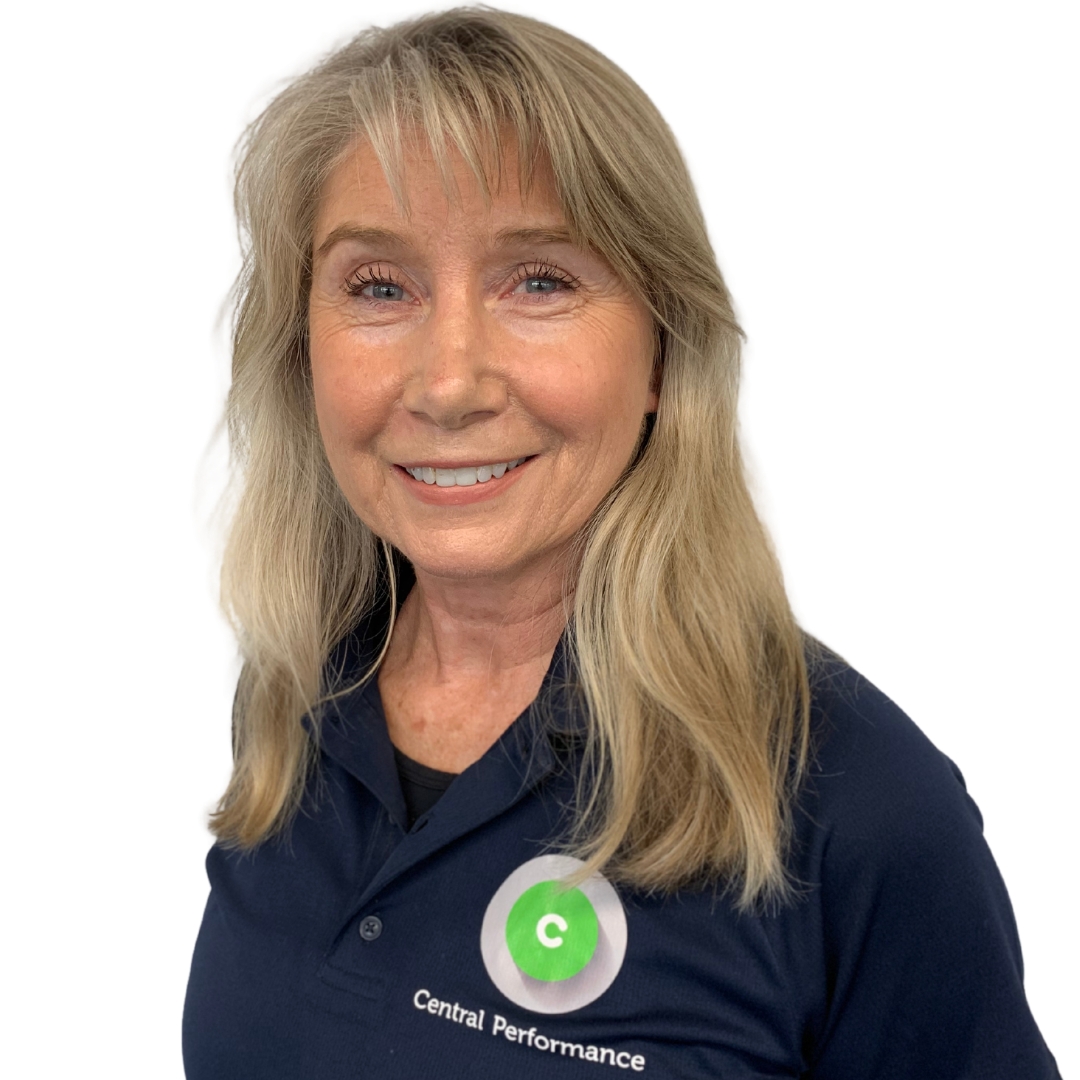
Studio Pilates. Certified Pilates instructor with 20 years’ experience across the full apparatus — reformer, Cadillac, Wunda chair, barrel and mat.
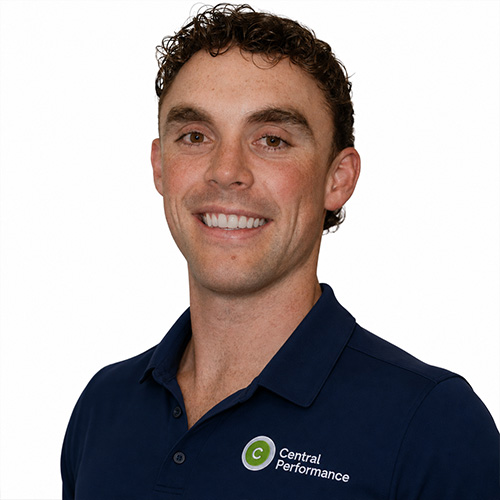
ReForm & clinical Pilates. Physiotherapist, ASCA-accredited S&C coach and Pilates instructor, delivering physio-led Pilates for injury and rehab.
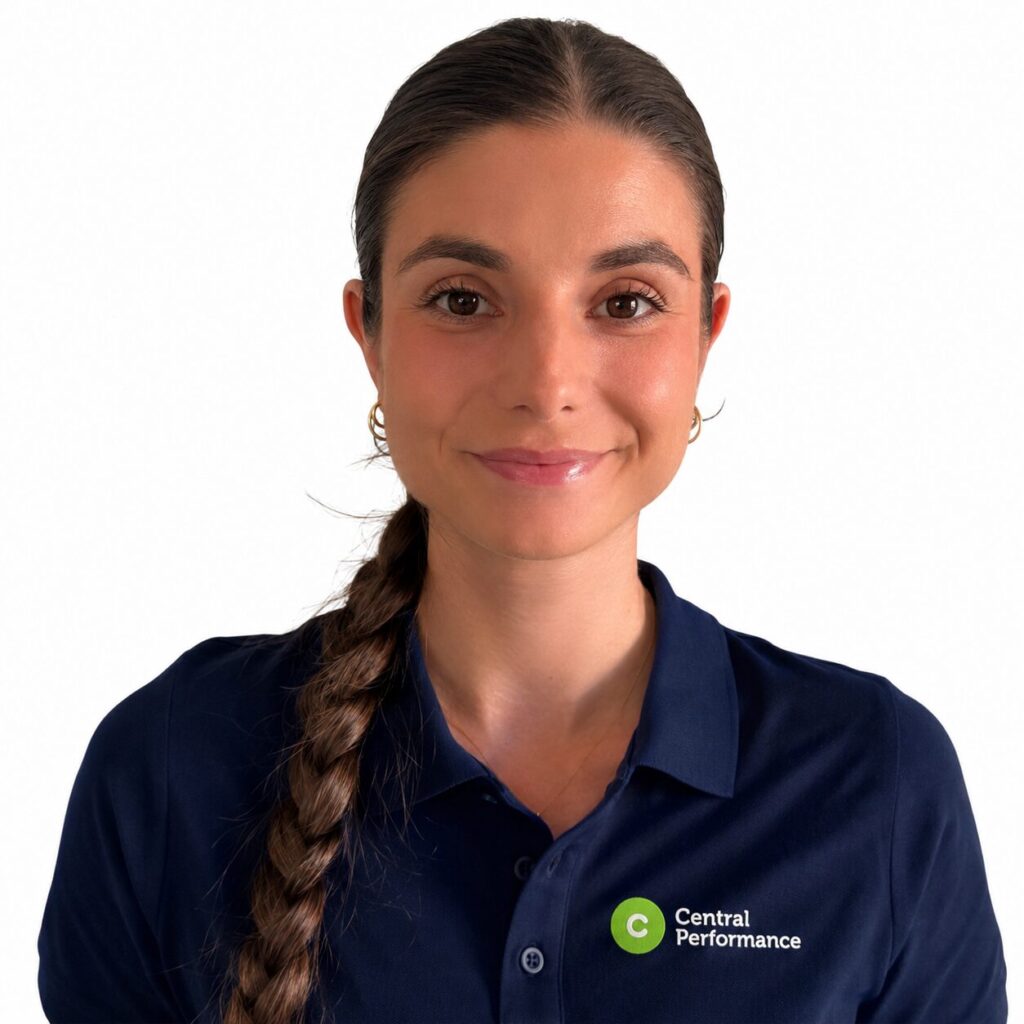
ReForm & clinical Pilates. Physiotherapist, Pilates instructor, certified running & S&C coach, delivering physio-led Pilates for injury & pain.
Pilates in Sydney / Surry Hills – Frequently asked questions
What’s the difference between clinical, contemporary and classical Pilates?
Classical Pilates follows the original repertoire and sequence developed by Joseph Pilates. Contemporary Pilates keeps the apparatus and principles but draws on modern exercise science, so the programming is more adaptable. Clinical Pilates is Pilates applied with a rehabilitation lens — matched to your body, your injury history and your goals. Our studio is contemporary and clinical: adaptable, individualised, and available either instructor-led or physiotherapist-delivered.
What’s the difference between clinical Pilates and reformer Pilates?
“Reformer Pilates” refers to Pilates done on the reformer machine — it describes the equipment, not the approach. Clinical Pilates describes how the Pilates is applied: individually assessed, programmed for your body and goals, and delivered by a qualified instructor or physiotherapist. We use the reformer (and the full apparatus — Cadillac, Wunda chair, barrel and mat) within a clinical approach, so you get the benefits of reformer work tailored to you, rather than a one-size-fits-all class routine.
Is Pilates good for back pain?
Yes — Pilates is one of the most effective forms of exercise for many types of back pain, because it builds the core control, spinal mobility and movement habits that protect your back. Research shows a directionally-specific core retraining program can significantly reduce the risk of recurring back pain. The key is that it’s matched to your situation — for persistent or recurring back pain we deliver Pilates as physio-led rehabilitation (ReForm), then progress you into studio sessions to further build strength, flexibility, stability and movement control.
How many ReForm sessions will I need?
There’s no fixed number — ReForm is built around your rehabilitation, so you have as many sessions as you need to recover and reach your goals. Some people complete a short series and progress into a small group; others prefer to stay one-on-one for longer. Your physiotherapist will guide you, and you’re always in control of the pace.
Can I claim Pilates on my health fund?
It depends on your health fund, level of cover, and the session type. ReForm sessions are delivered by our physiotherapists as physiotherapy, so eligible sessions can be claimed as physiotherapy with your private health fund, subject to your cover. Instructor-led studio Pilates and group sessions are not claimable as physiotherapy, but may still be covered under programs such as “Healthy Lifestyles“. We’re always here to help you with information to clarify your eligibility with your fund.
How much does clinical Pilates cost?
Everyone starts with an initial one-on-one assessment session, and pricing depends on whether you continue one-on-one or move into small-group sessions. ReForm sessions delivered by our physiotherapists may be claimable through your health fund, subject to your level of cover. Call us on 9280 2322 for current session pricing.
Do I need a referral to start?
No — you can start ReForm or Studio Pilates at any time, whether or not you’ve seen a physiotherapist before. No internal or external referral is needed. If you’re unsure which is right for you, give us a call and we’ll help you decide.
What’s the difference between physio-led Pilates and a normal Pilates class?
Physio-led Pilates (our ReForm program) is delivered by a physiotherapist and built around your specific body, injury or pain — it’s clinical exercise, individually programmed and progressed. A studio class, even a small one, follows a session plan for the group. If you’re managing an injury, pain or a medical condition, physio-led is the safer, more targeted starting point.
I’ve never done Pilates before — will I keep up?
Yes. Everyone starts one-on-one, so you learn the fundamentals at your own pace before any group setting. And with a maximum of 4 people per class, your teacher adapts every exercise to your level in real time — there’s nowhere to get lost and no pace to fall behind.
What should I bring to my first session?
Just comfortable clothing you can move in, and grip socks if you have them (you can purchase a pair from us if not). No prior experience is needed — we’ll take you through everything in your first one-on-one session. Plus if you already have Pilates experience we can meet you at your current level, whether that’s beginner, intermediate or advanced.
Is it really only 4 people per class?
Yes — four is the cap, always. It’s the difference between being watched and corrected every session, and being one of twenty. It’s the core of why our teaching is different from a big-box reformer studio, and the key to delivering personalised, safe and effective sessions every time.
Can I do Pilates during and after pregnancy?
Yes — Pilates is one of the safest and most effective ways to exercise through pregnancy and rebuild afterwards, when it’s properly supervised and personalised. Our one-on-one and small-group formats mean your program is individually adjusted at every stage: safely maintaining strength and mobility through each trimester, and carefully restoring core and pelvic floor function after birth.
What’s a Cadillac, and why does it matter?
The Cadillac (or trapeze table) is one of the original Pilates apparatus — a raised table with a frame of bars, springs and straps. It allows supported, precise and highly adaptable exercises that a reformer alone can’t, which is part of why training on the full studio apparatus is more versatile than reformer-only classes. The Cadillac opens up a huge variety of exercise options that simply aren’t possible on a reformer or other apparatus, allowing your program to always be fresh, varied and adaptable.
Ready To Start Your Pilates Journey?
The first step is to book your initial one-on-one Pilates session — meet your instructor, experience the studio, find what level you’re currently at, and begin developing your personalised program to achieve your goals. Getting started is easy — click below to book online or ask for more information, or call our friendly reception team on 9280 2322.