facebook ACL Rehab Sydney — Physio-Led Knee Program & Safe Return to Sport | Central Performance

ACL Rehab Sydney — Physio-Led Knee Program & Safe Return to Sport

ACL Rehab Sydney / Surry Hills: Central Performance provides complete ACL and knee rehabilitation in Surry Hills, Sydney — from the first days after injury or surgery through to a safe, confident and tested return to sport. Our physiotherapist-led ACL and Knee Rehab Program is criteria-driven: you progress based on what your knee can safely do, measured with VALD force-plate testing, not on the calendar. Surgical and non-surgical pathways are both supported, with physio, strength & conditioning and field-based return-to-sport training all under one roof.

The challenge isn’t getting out of pain — it’s getting back safely

An ACL injury can feel like everything stops at once: training, sport, routine, confidence and socialising. Whether you’ve had an ACL reconstruction or you’re exploring non-surgical options, the hardest part isn’t settling the initial pain — it’s knowing how to get back to your previous level of sport confidently without re-injuring yourself. That’s where experience, expertise and a professionally structured knee rehab program matter most.

Most people are handed a general timeline after injury or surgery — walk by this week, run by this month, back to sport by that point. The problem is that real rehab doesn’t follow a neat schedule. Swelling, strength loss, movement quality, previous injury, pre-injury fitness, sleep, stress and exercise consistency all change how your knee progresses. A knee can feel fine day-to-day but still be underprepared for running, jumping, changing direction, sudden stops, or the unpredictable contact of a real game. This is where many people plateau and never feel fully confident to return to sport — or return too early and get injured again.

This matters more than most people realise: returning to sport before your knee is fully ready is one of the biggest drivers of a second ACL injury. The research is striking — people who pass objective return-to-sport criteria (like we use at Central Performance) have dramatically lower re-injury rates than those who return on feel or timeframes alone. That single fact is why our whole program is built around proof, not guesswork — so you come back once, and stay back.

Our criteria-driven Knee Program — what makes it different

If you’re searching for an ACL physio in Sydney, you’re probably expecting some general exercises and casual appointments. But what actually gets you back to sport safely is a proven, structured, criteria-driven system that takes you step-by-step from initial pain relief right through to confidently getting back in the game. At Central Performance, you don’t progress based on time — you progress based on what your knee can actually do, backed by solid testing data.

That means no guessing, no rushed timelines, no gap between rehab and performance, and a safer, more confident return to sport. We combine expert physiotherapy, strength & conditioning, return-to-sport training and cutting-edge VALD force-plate testing — all in one fully-equipped facility in Surry Hills, close to Sydney CBD with easy access by train, bus and light rail.

Why Use A phase-based ACL and knee rehab pathway?

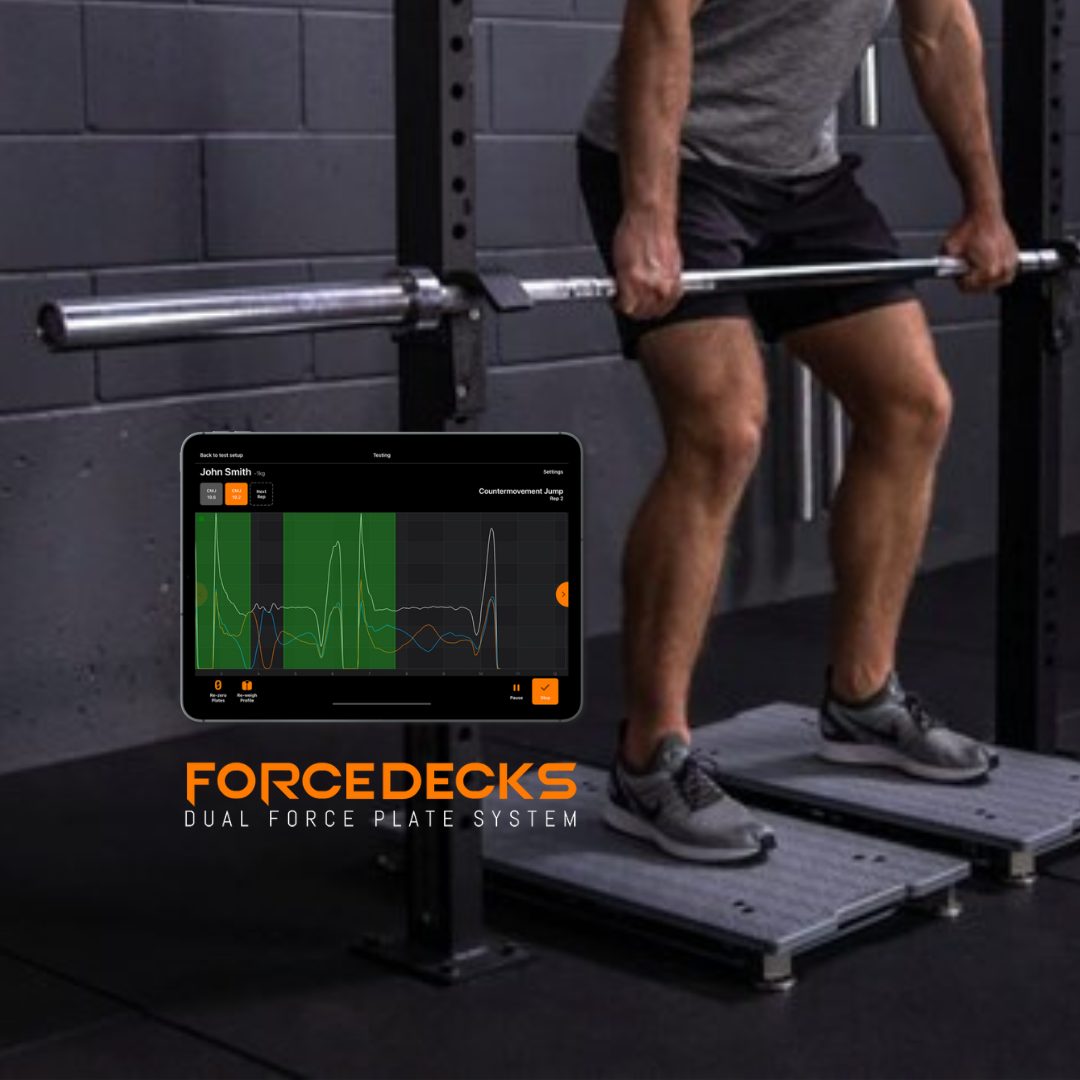
Your rehab progresses when your knee is ready — not when the calendar says so. At every phase we use objective VALD ForceDecks testing to measure your strength, power and side-to-side symmetry, so your progression is guided by precise data from your own knee rather than a generic timeline.

As a general guide, most people take 9–12 months from injury or surgery to a full return to sport — with running often returning somewhere around 3–4 months. But these are only general guides, not deadlines: you move from one phase to the next when you meet the criteria for it, which gives you the confidence of knowing that your knee is fully ready and capable for you to safely progress through your rehab and return to sport at exactly the right time.

Phase 1

Early rehab: build the foundation

Reduce pain and swelling, restore full knee extension, improve your walking mechanics and reactivate the quadriceps. These early wins matter more than most people realise — get them right and everything that follows becomes easier.

Phase 2

Strength & control

Build strength through the quads, hamstrings, calves and glutes. Improve balance and movement control, and retrain how you load your leg. It’s not just about doing the exercises — it’s about how you do them — so working with a physio whose experience lets them pinpoint movement problems early and correct them is crucial.

Phase 3

Running & power development

Retrain correct running mechanics, build strength under higher loads, and progress into jumping and landing with precise movement control. Regain confidence using tailored drills for landing mechanics and absorbing force through your leg. A calm knee doesn’t mean a ready knee — this is the phase where many people rush, and where we don’t.

Phase 4

Return to sport

Acceleration, deceleration and cutting; change-of-direction and reactive drills that maintain control during fast, game-like situations. Our unique field-based return to play sessions focus on drills tailored to your sport-specific movements, delivered by physios with experience in elite sport (South Sydney Rabbitohs). Sport is unpredictable — your rehab needs to prepare you for that.

Phase 5

Return to performance

Build confidence under fatigue, improve stability and resilience, and be fully prepared for the real demands of your sport. Whatever your level of play the goal isn’t just to be back — it’s to be back stronger, more confident and more resilient than before.

Objective testing with VALD technology

The biggest problem with traditional rehab is guesswork. Watching how someone moves, or testing strength by hand, leaves a lot of room for error. We remove that error with VALD ForceDecks, ForceRack and DynaMo dynamometry, measuring:

  • Strength through the quads, hamstrings, glutes and calf
  • Side-to-side imbalances during squats, landing, jumping and hopping
  • Force production and absorption, including reactive strength index (RSI)
  • Jump and landing mechanics

Sometimes everything looks good — but the data shows the surgical side is still underperforming. That's often impossible to see without specialised testing, and it matters because it's a significant risk factor for re-injury. This is data-driven rehab: progression is precisely measured and earned, not assumed, and return-to-sport decisions are objective, not guesswork.

Who the Knee Program is for

Knee rehab beyond ACL

While ACL injury (with or without surgical reconstruction) is the most common reason clients join our knee rehab program, the same structured, criteria-based approach is ideal for a wide range of knee injuries and surgeries. We physiotherapy provide expert knee rehab in Sydney for:

Not having ACL surgery? We fully cover non-surgical pathways too

Research shows that not every ACL injury needs a reconstruction. Depending on your age, sport, knee stability and lifestyle, structured rehabilitation without surgery is a legitimate, evidence-supported option for many people — and the research in this area is evolving quickly. We can help you weigh up your options by assessing your knee, explaining the trade-offs honestly, and build a program for whichever path you choose. We work alongside some of Sydney's best orthopaedic surgeons and sports physicians, so if you decide to have surgery, or just want another opinion to help you make your decision, you have access to the best people at the right time.

Small-group return-to-sport training

Once you meet the performance criteria in your one-on-one sessions, you progress into a small-group phase built to prepare you for real sport — two supervised sessions per week: one gym-based strength session and one field-based return-to-sport session. This phase focuses on strength, running progression, cutting and change of direction, sport-specific drills, and confidence under load. This is where rehab becomes performance — and where re-injury risk is significantly reduced.

Why choose Central Performance for ACL Rehab in Sydney / Surry Hills

Meet your knee physio - Joden Wilson

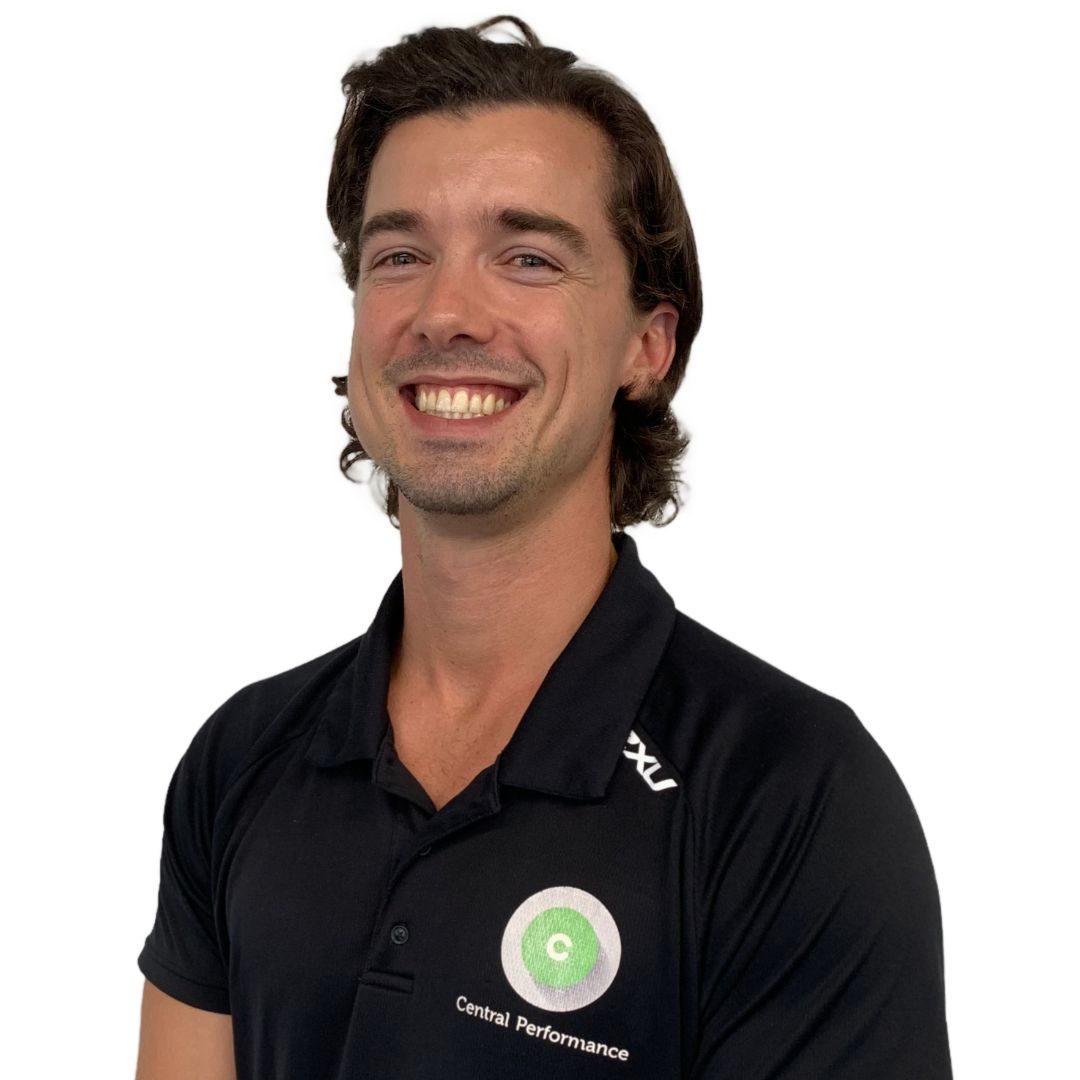
Your rehab is led by Joden Wilson, the physiotherapist who developed and manages the Central Performance ACL and Knee Rehab Program. Alongside his clinical work, Joden is Head of Long-Term Rehabilitation for the South Sydney Rabbitohs Pathways system, managing elite athletes through post-surgical ACL and knee rehab, return to running and field-based performance. That experience brings elite-level rehab principles into your program — whether you're a recreational athlete or a competitive one. Joden works with all of our physiotherapy team to make sure every session is delivered exactly as planned, so your rehab progresses with maximum safety and speed no matter who you see.

What happens next

Your first step is a one-on-one physiotherapy assessment. In that first session your physio will assess your knee and confirm your diagnosis, understand your goals, map out your full rehab journey, show you exactly where you are right now, and get your program started on day one — so you have a clear plan and direction from the very beginning.

The first part of your program is built on structured one-to-one sessions with your physio. In these sessions you will progress through the first two phases of the program, settling your initial symptoms, walking normally again, plus regaining strength and early movement control. As well as your sessions in the clinic you are provided with a detailed home exercise program so you know exactly which exercises to do, how to do them correctly, and what you should be feeling.

Once you are ready to move into phase three, where we introduce running and higher levels of strength and power work, you move into the group-based part of your program. These twice-weekly sessions include time in the gym as well as field-based sessions where you really get confident in returning to running, pivoting, jumping and landing, and eventually returning to training and game time. The small group size - max four people - means you can enjoy working alongside other people going through a similar experience while still having a fully personalised program, perfectly matched to your current ability and stage of rehab.

ACL Physio and Knee Rehab Program - Frequently asked questions

Most ACL rehab takes 9–12 months, but the focus should be on achieving set criteria rather than hitting strict timelines. Recovery time varies significantly between people and injuries — which is exactly why the best programs use performance criteria, not the calendar, to guide progression and return to sport.

Typically around 9–12 months, based on objective strength and functional testing rather than time alone. Returning too early — before the knee is genuinely ready — is one of the biggest risk factors for a second injury, which is why we base the decision on performance criteria, not just how long it's been.

Rather than a fixed date, a safe return to sport is guided by objective measures: quadriceps and hamstring strength within 90% of your other leg, symmetrical performance on hop and jump tests, good landing and change-of-direction control, and genuine confidence in the knee. We measure these with VALD ForceDecks testing so the decision is based on data — and passing return-to-sport criteria is strongly linked to a lower risk of re-injury.

Running starts when your knee meets specific strength and control criteria — not at a fixed week. Many people begin somewhere around 3–4 months, but that's only a rough guide; the real answer is when the data shows your knee is measurably ready.

Re-injury risk is real, but it's strongly influenced by how you rehab. Research shows people who return before around 9 months, or before passing objective strength and functional criteria, have substantially higher re-injury rates than those who meet the criteria first. This is exactly why our program is criteria-based and testing-led — returning on proof, not just feel, is one of the most important things you can do to protect your knee.

Yes — current research shows non-surgical ACL rehab is possible in many cases, depending on a range of factors. Your physio will talk this through with you at your first appointment to help you make a well-informed decision.

Because movement alone doesn't tell the full story. Research shows strength and power — how fast you can produce force — are key indicators of a safe return to sport. VALD testing identifies hidden deficits (like a surgical side that still under-performs compared to the other side) and removes the guesswork from when it's safe to progress.

A structured, criteria-based program with objective testing and a clear return-to-sport framework — delivered by a physio experienced with ACL rehab, and with access to specialised equipment like VALD ForceDecks, ForceRack and DynaMo so your progression is based on objective data, not guesswork.

No referral is needed for private ACL and knee rehab physio, and you can claim with all major health funds via HICAPS. Workers compensation and CTP-funded rehab requires a GP referral, and we manage those claims regularly.

ACL Rehab Sydney - Expert Knee Physio - Book Your Appointment Today

Whether you've just injured your knee or ready for return-to-sport testing, we can pick your rehab up wherever you are. Book a knee assessment online 24/7 or call (02) 9280 2322.

phone