

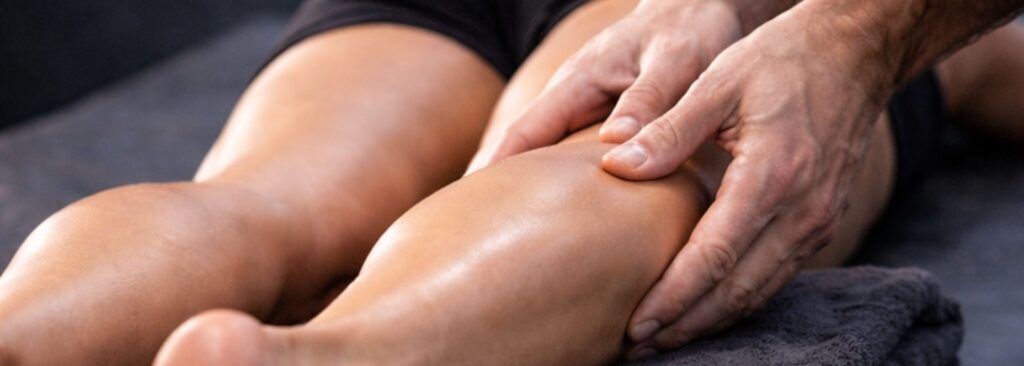
How Can Massage Help Runners – Key Takeaways
- Sports massage can help runners train consistently, reduce injury risk, recover faster between sessions and reduce muscle pain
- Targeted runners massage improves movement efficiency, helping you run with less tension and supports improved performance
- Regular sports massage is a proactive part of training — not a luxury — for runners who want to train consistently and maximise their performance
Remedial & Sports Massage for Running
Runners are constantly juggling training sessions, event performance and recovery. They plan their sessions, track their pace, and put in the kilometres — but recovery often gets left to chance. This is where sports massage for runners really earns its place.
How Can Massage Help With Running?
Massage can help runners to:
- Reduce the risk of injury
- Manage injuries you already have
- Boost running performance
Each of these benefits comes back to one key factor: improving how well your body handles the repeated load of running.
Managing Muscle Tightness from Running
Running and tight muscles are rarely seen apart.
If you can manage muscle tightness effectively, you’ll;
- Move more freely and responsively
- Reduce the risk of muscle soreness and strains
- Run more efficiently, which helps you run faster for longer with less risk of injury
When muscles are tight, they pull against each other. Over time, this affects movement quality and increases injury risk. Stretching, sleep, hydration, and cool-downs all help — but massage is particularly effective at addressing stubborn, localised tightness that tends to hang around no matter how good your intentions are.
Sports Massage for Runners: What We Work On
Several massage techniques are beneficial for runners, including a combination of;
- Remedial massage techniques
- Trigger point release
- Myofascial work
- Targeted stretching
- Lymphatic drainage when needed
Which muscles are the most important for runners?
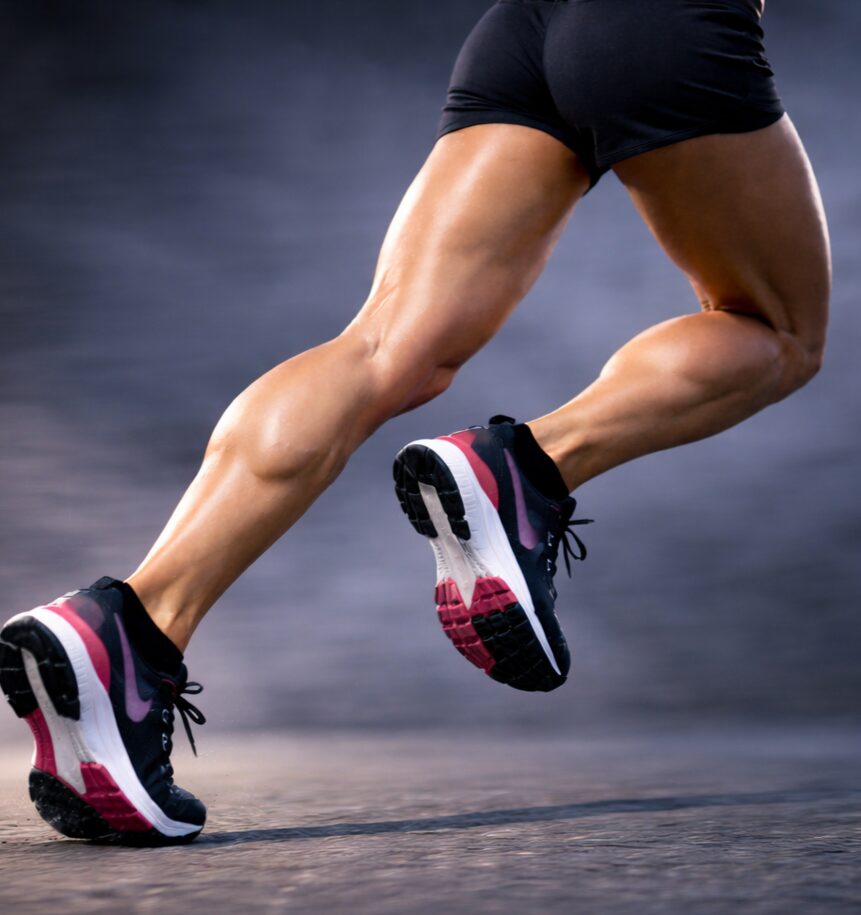
- Calves
- Hamstrings
- Hip flexors
- Glutes and lateral hips
- Lower back
Other muscles may also be important for some runners, for example due to a previous injury. Each session is personalised for you based based on your current training program, upcoming target races or events, your running experience and injury history.
Regular runners sports massage helps maintain optimal muscle tone so your body can better handle the demands of running
Massage for Pain Relief and Injury Management
Runners will often keep running when they’re sore or injured. However, this can cause problems because pain changes how you move. It encourages compensation, distracts from technique, and makes it harder to enjoy your run or hit your goals.
Massage is excellent for pain relief and can help you return to more natural movement patterns. This often makes it easier to commit to rehab exercises and stay engaged with your recovery.
For painful or irritated areas, treatment may include:
- Relaxation-based massage techniques
- Gentle range of motion work
- Lymphatic drainage to help reduce swelling
If you’re also seeing a physio or exercise physiologist, massage can fill in the gaps by settling overloaded or irritated tissues. This helps you get more out of your rehab and training sessions.
Preventative Massage for Runners
If you’re currently in a good place with your running, massage helps keep you there.
Regular sports massage allows us to:
- Pick up early signs of overload
- Address tightness before it becomes an injury
- Support consistency in training
Remedial massage for runners is preventative, not indulgent, and it’s one of the most effective ways to reduce interruptions to your training.
How Can Massage Help With Running Performance?
Massage can help you improve running performance by;
- Reducing pain
- Reducing muscle tension
- Improving recovery between sessions
Regular massage therapy means that you’re able to show up to each run feeling fresher, looser, moving better and ready to train well — rather than just get through it. This is why many runners build sports massage into their regular training routine, not just when something goes wrong.
Making Massage Part of Your Running Routine
If running matters to you, massage deserves a place in your schedule.
Whether you’re;
- Managing an injury
- Building toward a goal
- Or simply wanting to keep running comfortably
The best time to incorporate massage into your running training was at the beginning of your program.
The second-best time is now! So for more info and bookings click below or call us on 9280 2322 and start to to feel how a regular sports massage at Central Performance can support your training and recovery, and help you run at your best.
Sports Massage For Runners in Sydney
Ben Hurley is our experienced massage therapist at Central Performance, Surry Hills. He has years of experience working with runners and athletes at all levels of competition, from recreational to elite.
Massage is just one of the services available at the Surry Hills Running Centre. Our suite of dedicated running services includes physiotherapy, massage therapy, gait analysis and correction, exercise physiology and running coaching to help runners recover fully, prevent recurrence, and return to running stronger than ever.
For more information call us on 9280 2322 or click below to book a running massage appointment or ask a question
Frequently Asked Questions: Sports Massage for Runners
1. How often should runners get sports massage?
Most runners benefit from massage every 2–4 weeks, depending on training load, injury history, and goals. During heavy training blocks or injury rehab, more frequent sessions may help. Also, massage therapy can be very helpful in preparation for races and also for post-race recovery.
2. Is sports massage painful?
Sports massage can involve some discomfort, especially in tight or overloaded areas, but it should always be tolerable. Communication is key — treatment is adjusted to your comfort level.
3. Can I run after a sports massage?
Yes, but it depends on the intensity of the session. Lighter massage usually allows same-day running. Deeper work may be better followed by an easy session or rest day.
4. Does sports massage help prevent running injuries?
Yes. Regular runners massage helps manage muscle tension, improve movement quality, and identify early signs of overload — all of which reduce injury risk.
5. What’s the difference between remedial massage and sports massage?
They overlap significantly. Sports massage is typically more performance-focused, while remedial massage targets pain and dysfunction. At Central Performance, treatments often combine both approaches.
6. Do I need massage if I already see a physio?
Massage and physiotherapy can work great together. Massage supports tissue health and pain relief, while physio addresses underlying strength, biomechanics, and rehab progression.
