


A water polo shoulder injury is one of the most common reasons players lose time in the pool, and it rarely comes from one bad shot. Most shoulder pain in water polo builds up when throwing and swimming load outpaces what your shoulder, trunk and hips can handle, often with contact on top. The good news is that most cases respond well to a staged rehab plan that keeps you training in a modified way, rather than out of the water completely.
I’ve played water polo for 18 years, from school and local clubs through to QLD state teams, Australian national representative level and international competition at the Pan Pacific Games. These days I still play with the Sydney Stingers alongside my work as a physio at Central Performance in Surry Hills. So I know what it’s like to be the player icing a sore shoulder after a tournament weekend, as well as the physio planning the way back.
This guide covers why water polo is so demanding on the shoulder, the injuries we see most, how rehab works, how to reduce your risk next season and when it’s time to see a physio.
Key takeaways
- The shoulder is the most commonly injured area in water polo, and most of these injuries come from overuse rather than a single incident (Hams et al., 2019).
- Water polo shoulder isn’t the same as swimmer’s shoulder. You’re throwing overhead from an unstable base, often with someone hanging off your arm.
- Sudden jumps in shooting volume, such as preseason or a tournament weekend, are a common trigger.
- Your hips, trunk and eggbeater matter. Players with shoulder pain often have hip or groin pain too.
- Most players can keep training with modifications while they rehab, and early assessment usually means less time out.
- Return to play should be based on strength and throwing markers, not just how many weeks have passed.
Written by Harry Fry — APA Physiotherapist & ASCA S&C Coach · Updated November 2026
Why is water polo so hard on the shoulder?
Water polo asks your shoulder to do three demanding jobs at once. You swim big volumes of freestyle, you throw overhead at speed, and you do it while someone is holding, pushing or hanging off your arm.
Unlike a cricketer or baseball pitcher, you can’t plant your feet. The force for a shot comes from your eggbeater, hips and trunk, then passes through your shoulder blade into the arm. When your legs tire in the fourth quarter, or your trunk can’t hold position, the shoulder often ends up doing more of the work.
The research reflects this. In a study of sub-elite Australian players, the shoulder was the most frequently injured area, two thirds of shoulder injuries were due to overuse, and shoulder injuries accounted for around a quarter of lost training days (Hams et al., 2019). A survey of 153 Australian players across playing levels found that more than a third had current shoulder pain and most had a history of it (Girdwood & Webster, 2021).
Common types of water polo shoulder injury
Shoulder pain in water polo usually falls into a few broad groups. They often overlap, and a thorough assessment is the only way to work out what’s driving yours.
Rotator cuff related shoulder pain
This is the most common presentation. The rotator cuff tendons become irritated when load outpaces their capacity, often after a block of extra shooting or a return from a break. You’ll typically feel pain at the front or side of the shoulder when shooting, reaching overhead or lying on that side.
Internal impingement and labral irritation
In the cocked position just before a shot, with the arm back and rotated outwards, structures at the back of the shoulder can be pinched between the ball and socket. Over time this can irritate the underside of the rotator cuff or the labrum, the rim of cartilage around the socket. Players often describe deep pain at the back of the shoulder, or a catching or clicking feeling, during the wind-up.
Shoulder instability, subluxation and dislocation
Contact is a big part of the game, and an arm grabbed or pulled back while you’re shooting or blocking can force the shoulder partly or fully out of the socket. A ‘dead arm’ feeling, a sense of the shoulder slipping, or apprehension with the arm back are common signs. A first-time dislocation needs a medical assessment to guide whether rehab alone or a surgical opinion is the right path.
Swimming overload
Water polo players swim a lot, and head-up freestyle changes your stroke mechanics. High swim volumes on top of shooting can add to pain at the front of the shoulder, particularly when training load jumps quickly.
What does a water polo shoulder injury feel like?
Symptoms vary, but these are the patterns we see most often:
- Pain when you shoot, especially at the top of the wind-up or as you release the ball
- Losing shot speed or accuracy, or ‘pushing’ the ball instead of throwing it
- An ache after training that’s worse the next morning
- Pain lying on the affected shoulder at night
- Clicking, catching or a dead-arm feeling with the arm back
- Pain reaching overhead, putting on a shirt or reaching behind your back
A common story: a few sore sessions in preseason, a two-game tournament weekend, and by Monday you can’t throw without pain. That pattern usually points to load, and it’s very workable when you catch it early.
What causes shoulder pain in water polo?
Most water polo shoulder injuries come from a mix of load and physical factors rather than a single cause. A 2018 systematic review in the Journal of Science and Medicine in Sport found reported shoulder injury rates in water polo ranging from 24% to 51%, and identified several factors linked to shoulder problems:
- Shooting volume: big jumps in the number of shots, such as preseason, tournaments or extra shooting sessions.
- Range of motion changes: throwers often gain external rotation and lose some internal rotation. Some change is a normal adaptation, but large side-to-side differences can matter.
- Strength imbalance: rotator cuff strength, especially external rotation, that hasn’t kept up with your throwing.
- Scapular control: a shoulder blade that doesn’t move or stabilise well, often called scapular dyskinesis.
- Throwing mechanics: altered technique, often from fatigue or from compensating for pain elsewhere.
- Proprioception: reduced awareness of where your shoulder is in space.
Don’t forget your hips and eggbeater
In the Australian survey, players with shoulder pain were about twice as likely to also have hip or groin pain, and the authors recommend assessing the whole body in these players (Girdwood & Webster, 2021). Your eggbeater sets your height out of the water and your platform to throw. If it’s limited by a sore hip or groin, the shoulder often compensates.
That’s why our Shoulder Program includes a full-body mobility screen alongside shoulder-specific testing, rather than looking at the shoulder joint alone.
How is a water polo shoulder injury treated?
Most players don’t need complete rest. Our Shoulder Program is designed for overhead and throwing athletes from social to elite level, pre-season or in season. It starts with a detailed screen, then moves through four phases, each with performance markers you need to reach before moving to the next.
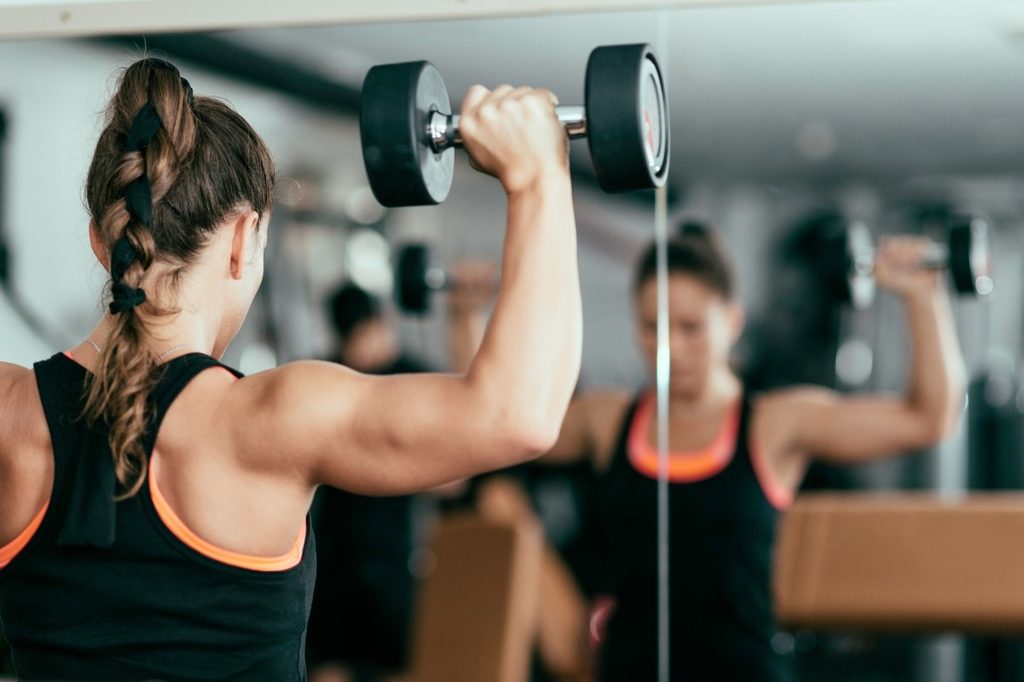
Your initial shoulder screen
- The Shoulder Symptom Modification Procedure, to see which movements change your pain
- Athletic Shoulder (ASH) testing using VALD technology
- External to internal rotation strength ratio using dynamometry, to identify strength deficits and injury risk
- Upper quadrant Y-Balance testing
- A full-body mobility screen, including your hips and upper back
- Specific range of motion testing and the DASH shoulder function questionnaire
Phase 1: Relieve
We reduce pain and restore shoulder and thoracic range of motion with manual therapy and targeted early rehab. For water polo, this usually means reducing or pausing shooting and adjusting swim sets, for example fewer head-up sprints or swapping some volume for kick sets. You can usually keep up leg work, eggbeater and fitness while the shoulder settles.
Phase 2: Stabilise
Next, we build neuromuscular control so your shoulder girdle stays stable through inner-range movements. This is the base your rotator cuff and shoulder blade need before heavier loading. Some players do part of this work through physio-led Clinical Pilates.
Phase 3: Strengthen
We build scapular strength and endurance and add rotator cuff strength, then progress to functional strengthening with water polo-specific movements. For you, that means positions that match your shooting arm, plus trunk and hip strength for a stronger eggbeater.
Phase 4: Perform
Finally, we load the shoulder for return to sport and re-test your movement screen and functional performance markers to confirm you’re ready. Your program then shifts to preventing re-injury and building performance, which is where strength and conditioning comes in.
Returning to water polo after a shoulder injury
Getting back in the pool happens within the Perform phase and should follow clear markers, not a set number of weeks. Every plan is individual, but a typical in-water progression looks like this:
- Swimming: pain-settled swimming with modified sets
- Short passing: low intensity, gradually increasing distance
- Long passing and controlled shooting: at around half effort
- Full shooting: full intensity with a set shot count, built up over several sessions
- Contact: drills, wrestling for position and blocking
- Match play: full training first, then games
Move to the next step only when the current one feels comfortable during training and the day after. If pain flares, drop back a step rather than stopping altogether. Timeframes vary widely, from a few weeks for a mild flare to several months after a dislocation or surgery.
How to prevent shoulder injuries in water polo
Prevention is mostly about building capacity before you need it and managing load sensibly.
- Build rotator cuff strength: two to three sessions a week of external and internal rotation work, progressing to positions that match your shooting arm.
- Train your shoulder blade: rows, push-up variations and overhead carries improve scapular strength and endurance.
- Keep your upper back mobile: a stiff thoracic spine makes the shoulder work harder to reach the cocked position.
- Strengthen your legs and trunk: a stronger eggbeater gives you a better platform to throw from.
- Ramp up shooting gradually: build shot counts across preseason rather than jumping straight into full sessions.
- Warm up properly: band work and progressive passing before you shoot hard.
- Speak up early: in the Hams et al. (2019) study, players waited an average of 10 days before reporting a shoulder injury. Earlier assessment usually means a shorter, simpler recovery.
If you coach or manage a team, tracking shot counts across a week is a simple way to spot spikes before they turn into injuries.
Not a water polo player? The same principles apply

Swimmers, triathletes, handball and volleyball players, tennis players and anyone who presses or snatches overhead in the gym load the shoulder in similar ways. The same approach works: understand the load, build strength through the whole body, and return in stages.
We also see this pattern in desk-based workers who swim at lunch or lift before work. A shoulder that settles with rest but flares every time you build back up is often a sign it needs more capacity, not just more rest.
Water polo shoulder injury: signs it’s time to get assessed
See a physio if you notice any of the following:
- Pain that hasn’t improved after one to two weeks of reduced load
- Pain that’s stopping you shooting or affecting your swimming
- Night pain that regularly wakes you
- Clicking, catching or a feeling that the shoulder is slipping
- Pain that returns each time you increase training
Seek medical care promptly if you have:
- A suspected dislocation, or a visible change in the shape of your shoulder
- Sudden weakness or inability to lift your arm after a fall, collision or grab
- Numbness, tingling or pins and needles down the arm
- Significant swelling or bruising, or a fever or feeling unwell alongside the shoulder pain
Getting advice early doesn’t mean time out of the pool. In most cases it means a clearer plan and less time lost.
Get Expert Help – Water Polo Shoulder Injuries in Sydney
If you’re dealing with a water polo shoulder injury right now, the most important step is getting on the right plan early.
At Central Performance, we focus on:
- A detailed shoulder screen, including VALD Athletic Shoulder (ASH) testing, external to internal rotation strength ratios, and Y-Balance Test
- Assessing your trunk, hips and eggbeater, not just the shoulder
- Keeping you in the water with modified training wherever possible
- A four-phase program with performance markers, from settling pain to returning to shooting, contact and match play
You’ll work with experienced physios who understand both injury management and performance — so you’re not just recovering, you’re progressing.
Next step: Book a Shoulder Program assessment with our physio team in Surry Hills and start your recovery with a clear plan.
You can book online or ask a question by clicking below, or call our friendly reception team on 9280 2322.
Relieve. Restore. Elevate.
Water polo shoulder injury – FAQs
What is the most common shoulder injury in water polo?
Rotator cuff related shoulder pain is the most common shoulder problem in water polo. It usually builds up from repeated shooting and swimming rather than one incident. Internal impingement, labral irritation and instability from contact are also common. Research on Australian players found most shoulder injuries were due to overuse, which is why managing shooting volume and building rotator cuff strength are key parts of rehab and prevention.
Can you play water polo with a shoulder injury?
Sometimes, depending on the injury and how irritable it is. Many players can keep training with modifications, such as reducing shooting, adjusting swim sets and focusing on legs and fitness while the shoulder settles. Playing through sharp pain, increasing weakness or a feeling of instability usually makes things worse. A physio can tell you what’s safe to keep doing and what to pause for now.
How long does a water polo shoulder injury take to heal?
Recovery time depends on the type of injury and how early it’s managed. A mild flare of rotator cuff pain may settle within a few weeks with load changes and strength work. More persistent tendon problems can take a few months, while a dislocation or surgery can mean several months of rehab. Return to play should be guided by strength and throwing markers, not just time.
Is water polo shoulder the same as swimmer’s shoulder?
No, although they overlap. Swimmer’s shoulder usually describes pain at the front of the shoulder from high freestyle volume. Water polo adds fast overhead throwing from an unstable base, plus contact, so players often develop throwing-type adaptations and injuries such as internal impingement and instability. Researchers have noted that water polo shoulder pain shouldn’t be treated the same as swimmer’s shoulder.
What exercises help prevent shoulder injuries in water polo?
Rotator cuff strengthening, especially external rotation, is a core part of prevention. Add shoulder blade exercises such as rows and push-up variations, upper back mobility work, and leg and trunk strength to support your eggbeater. Two to three sessions a week is a practical target. Combine this with a gradual build-up in shooting volume across preseason and a proper warm-up before you shoot hard.
Should I stop swimming if my shoulder hurts from water polo?
Not necessarily. Many players can keep swimming with changes, such as reducing volume, cutting back head-up sprints or swapping some sets for kick work. The aim is to keep pain low during and after sessions. If swimming increases your pain the next day, or you notice weakness or instability, pause and get the shoulder assessed so you can return with a clear plan.
Do I need a scan for a water polo shoulder injury?
Most water polo shoulder injuries don’t need a scan straight away. A thorough physio assessment can usually identify the likely cause and guide rehab. Imaging may be recommended after a dislocation, a significant fall or collision, sudden weakness, or if symptoms aren’t improving as expected with good rehab. Your physio can refer you for imaging, or to a sports doctor or surgeon, if needed.
Do I need a GP referral to see a physio for a shoulder injury in Sydney?
No, you don’t need a GP referral to see a physio. You can book directly with our team in Surry Hills, a short walk from Central Station and the Sydney CBD. If you have private health cover with extras, you may be able to claim part of the cost on the spot, depending on your fund and level of cover.
