

Written by Chris Jackson — APA Titled Musculoskeletal Physiotherapist & Running Physio · Updated July 2026
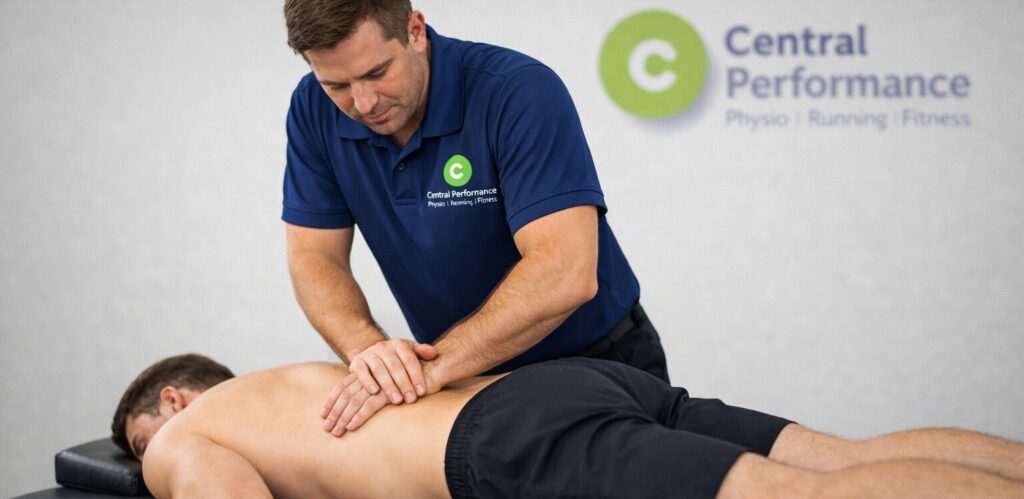
Back pain can be frustrating, unpredictable, and hard to trust. One day it’s manageable, the next it stops you training, working, or even sitting comfortably. If you’ve been searching for a “physio near me” or “physio for back pain treatment Sydney”, you’re likely looking for more than just temporary relief — you want a clear plan for a lasting solution.
In this 2026 guide, we’ll walk you through what actually causes back pain, what the most effective treatment looks like today, and how to stop it from coming back. If you’re based in Surry Hills, Redfern, Darlinghurst or the Sydney CBD, this is exactly what you need to know before choosing a physio.
Understanding Back Pain – Why It Keeps Coming Back
One of the biggest reasons back pain keeps returning is that different types of back pain need very different treatment approaches. If everything gets treated the same way, it often settles temporarily — then flares up again.
At Central Performance we closely follow the latest evidence-based guidelines to break back pain into three main categories:
1. Non-Specific Back Pain (Most Common)
This is by far the most common type of back pain we see., making up around 90% of low back pain cases.
“Non-specific” doesn’t mean nothing is wrong — it means the pain isn’t coming from a single serious structure like a nerve or fracture. Instead, it’s usually related to how the joints, muscles, and discs are being loaded and moving.
You might notice:
- Pain with bending, lifting, or prolonged sitting
- Stiffness, especially first thing in the morning or after inactivity
- Pain that changes with movement or position
In most cases, this type of back pain is very responsive to the right treatment.
The key points:
- It’s not dangerous and does not need imaging (x-rays, CT, or MRI)
- It responds best to movement and exercise (not rest)
- It often comes back if strength and load tolerance aren’t improved
This is where many people get stuck — they get short-term relief, but never build the strength and control needed to stop it returning.
2. Radicular Back Pain (Nerve-Related Pain)
Radicular pain is when a nerve in your lower back becomes irritated or compressed. It is far less common than non-specific low back pain, accounting for only about 5-10% of cases
This is often what people often refer to as “sciatica”.
You might notice:
- Pain travelling into the glutes, thigh or down the leg
- Pins and needles, tingling, numbness, or sometimes weakness in the leg
- Sharp or electric-type pain that may shoot down your leg
- Symptoms that worsen with certain movements (e.g. bending, sitting)
This type of back pain can feel more intense and worrying, but it’s still very treatable. Most cases also do not need imaging (x-rays, MRI…) however, if symptoms persist longer than expected, then imaging may be helpful.
The key points:
- It involves irritation of a nerve, which is why the pain can refer down your leg
- It usually doesn’t require surgery or scans
- The right combination of education, movement, activity modification, and progressive exercise is highly effective
A common mistake is either doing too little (complete rest) or too much too soon. The goal is to find the right level of movement to calm symptoms while maintaining strength, and then rebuild strength and movement through graded exercise.
3. Serious Pathology (Very Rare, But Important)
This category is very rare, but it’s important to recognise. Serious pathology makes up less than 1% of low back pain cases. At Central Performance, part of a thorough physiotherapy assessment is screening for these signs to make sure you’re directed to the right care as early as possible.
Serious pathology refers to conditions where back pain is caused by something more significant, such as:
- Fractures
- Infections
- Cancer
- Significant nerve compromise
You might notice:
- Constant, unrelenting pain that doesn’t change with movement or normal initial treatment
- Night pain that doesn’t ease with position changes
- Unexplained weight loss or fatigue
- Changes in bowel or bladder function
- Progressive weakness in the legs
The key points:
- This type of back pain is very rare
- It requires medical investigation and referral
- Early identification is important
Understanding which category your back pain falls into is the first step toward getting the right treatment — and breaking the cycle of it coming back. It is important to remember that the vast majority of low back pain responds extremely well to physio using the right combination of manual therapy (hands-on treatment), targeted exercise and education. Also, most cases of back pain do not need scans like x-rays, CT or MRI.
The Most Effective Back Pain Treatment (2026 Approach)
Back pain treatment has changed significantly over the past decade.
The old model:
- Rest
- Passive treatment only (massage, heat, electrotherapy, ultrasound…)
- Avoiding movement
The 2026 approach that is backed by solid research — and what we use at Central Performance — is very different:
1. Active Rehabilitation First
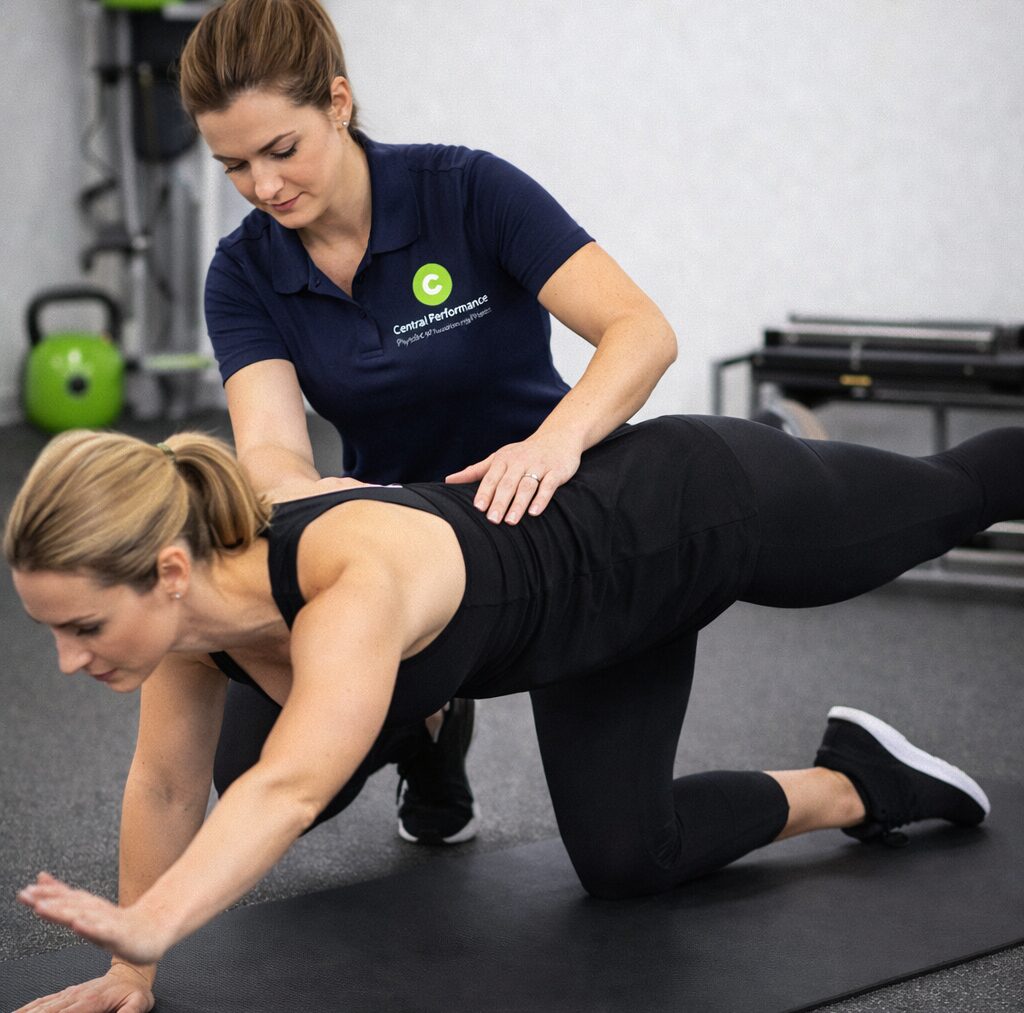
Movement is medicine, and it has been conclusively proven that staying as active as possible, within comfort levels, is the right thing to do to help you recover from back pain. This is why we guide you though how to remain active right through your program, modify activity as needed, and begin gentle exercise as soon as possible.
The goal is to:
- Build tolerance to load
- Reduce pain
- Restore movement
2. Strength Progression
Once pain settles, the focus shifts quickly to strength. Your strength program should be tailored to your particular symptom level, activity tolerance and exercise history, usually starting light and then gradually progressing as you improve. Plus, it must take into account any predisposing issues that may have contributed to your current pain, or be causing it to recur, for example sometimes incorrect movement patterns or gym technique may be one of the reasons the pain keeps coming back, so your program should work on correcting these.
This is where long-term results come from, with less chance of the pain returning:
- Stronger muscles
- Better movement control
- Higher resilience to load
3. Strategic Use of Hands-On Treatment (Manual therapy)
Manual therapy has an important role — especially early on to help relieve your pain and restore movement as quickly as possible. At Central Performance we use hands-on treatment to help get you able to exercise and move as quickly as possible, to facilitate your active management and progression of strength exercise as discussed above.
It helps:
- Settle pain and improve mobility quickly
- Facilitates your exercise-based management program
- Get you moving confidently again
But it’s not the whole solution.
If you’re searching for back pain treatment Sydney, this is what you should expect — strategic use of hands-on treatment initially, then a clear progression towards exercise-based management as the focus shifts from pain → strength → performance.
What to Expect When You See a Physio for Back Pain
A high-quality physio for back pain should do more than just treat symptoms.
At your first session, you should expect:
1. A Thorough Assessment of Your Back
- Understanding your history
- Identifying triggers and aggravating factors
- Assessing movement, strength, and control
2. Clear Diagnosis & Explanation
You should leave knowing:
- What’s going on
- Why it happened
- What needs to change and how to stop it coming back
3. Individualised Treatment Plan with Clear Progression
No generic exercises. Your plan should be tailored to:
- Your goals
- Your activity level
- Your injury history
4. Combination of Hands-On Treatment + Exercise
- Hands-on treatment – used strategically early-on for pain relief and movement restoration
- Targeted rehab exercises that become progressively more challenging as you improve
- Clear progression plan towards full strengthening and return to all of your normal activity, sport and exercise
At Central Performance in Surry Hills, this integrated approach is standard — because long-term results require more than just short-term relief.
Why Exercise is the Key to Long-Term Recovery from Back Pain
One of the biggest myths around back pain is that rest is the answer. In reality, too much rest often makes things worse. This has been conclusively proven through extensive research over many years.
Here’s why exercise matters:
1. Builds Strength and Resilience
Your spine is designed to handle load — but sometimes after an injury or episode of pain it needs to be retrained to do it.
2. Restores Confidence in Movement
Many people avoid movements after pain. This is natural because you are sore, but avoiding moving for too long has been shown to slow down your recovery.
Gradual exposure helps rebuild trust. It’s not about “pushing through pain”, but its also not about avoiding any pain. Your physio will help you find the right balance of activity and rest, giving you confidence to get moving again.
3. Reduces Recurrence Risk
Stronger tissues = better load tolerance = less chance of flare-ups.
This is why exercise physiology and strength training are key parts of the Central Performance model — backed by research and delivered by a team of experts.
Preventing Back Pain from Coming Back
Getting out of pain is one thing. Staying out of pain is another. This is where exercise and strength training for back pain really becomes the focus.
Here’s what actually works, as shown in the research:
1. Load Management
Most back pain comes from doing too much, too soon — or too little for too long.
We help you find the right balance.
2. Strength Training
This is one of the most effective ways to prevent recurrence.
A structured program improves:
- Muscle strength
- Movement control
- Tissue capacity
3. Lifestyle Habits
- Regular movement throughout the day
- Sleep and recovery
- Gradual progression in training
At Central Performance, prevention is built into the process — not left as an afterthought.
How to Choose the Right Physio for Back Pain in Sydney
If you’ve searched “physio near me” or “back pain physio near me”, you’ve probably seen a lot of options.
Here’s what actually matters:
1. Experience with Your Type of Back Pain and Injury
Not all physios treat back pain the same way. Research is constantly being done into how to best treat low back pain, so the guidelines are always being updated. As part of our continuous professional development program here at Central Performance we regularly have sessions to review the latest research findings and updated guidelines.
Look for:
- Musculoskeletal expertise
- Experience with active clients
2. Exercise-Based Approach
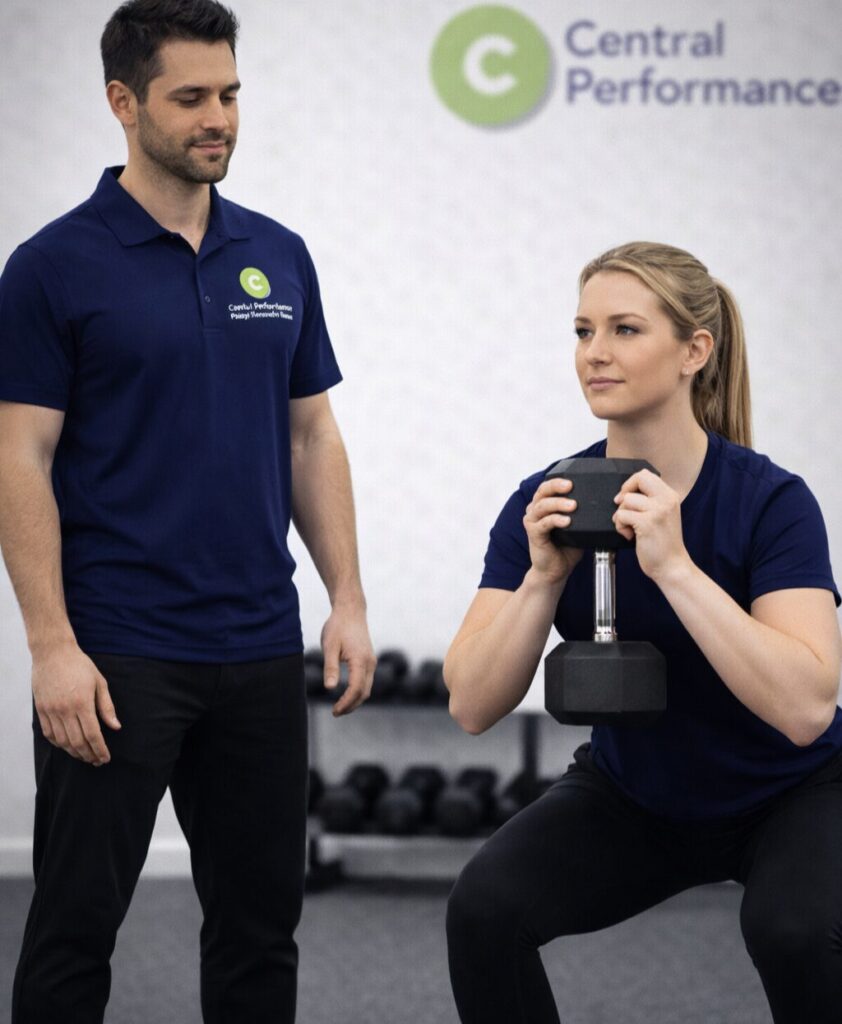
If treatment stops at the treatment table, results often don’t last.
When choosing a physio to help you manage and prevent back pain you want:
- Structured rehab progressing from initial hands-on treatment to a graded exercise program
- Strength progression should be the focus, especially later in your rehab program
- Pilates can also be a great way to regain mobility and begin strengthening as you improve
3. Clear Plan and Progression of Treatment
You should know:
- What you’re working towards
- How you’ll get there
If you’re looking for a Sydney physio for back pain in Surry Hills, Redfern, Darlinghurst or the Sydney CBD, these factors make a significant difference.
Why Choose Central Performance for Back Pain Treatment in Sydney
Central Performance was built to bridge the gap between physio and performance. That means you’re not just getting treatment — you’re getting a complete pathway to full strength, recovery, and lasting freedom from pain. Our aim is to make you stronger and more resilient than you were before your injury, so the chances of future problems are minimised.
What Makes Us Different
- Integrated care: Physio + Strength + Pilates in one location
- Clear progression model: Relieve → Restore → Elevate
- Experienced team: Treating everyone from desk workers to elite-level athletes
- Local convenience: Based in Surry Hills, minutes from Central Station, easily accessible from Sydney CBD, Redfern and Darlinghurst by bus or light rail
We don’t just aim to get you out of pain — we help you come back stronger than before.
Get Expert Help – Physio for Back Pain in Sydney
If you’re dealing with back pain right now, the most important step is getting on the right management plan early.
At Central Performance, we focus on:
- Fast, accurate diagnosis
- Clear treatment plans tailored to you
- Reducing pain while keeping you moving
- Building strength so it doesn’t come back
You’ll work with experienced physios who understand both injury management and performance — so you’re not just recovering, you’re progressing.
Next step: Book an appointment with our physio team in Surry Hills and start your recovery with a clear plan.
You can book online or ask a question by clicking below, or call our friendly reception team on 9280 2322.
Relieve. Restore. Elevate.
FAQ: Physio for Back Pain in Sydney / Surry Hills / Redfern / Darlinghurst
Should I see a physio for back pain?
Yes. Physiotherapy treatment is widely recognised a one of the main first-line treatment options for managing and preventing low back pain. A physio helps identify the cause of your pain, not just treat symptoms. Early assessment often leads to faster recovery and reduces the risk of ongoing issues.
What is the best treatment for back pain?
The most effective treatment combines education, movement, targeted manual therapy, and strength-based rehab. Passive treatments are often helpful early, but long-term results come from building strength and resilience.
How long does back pain take to heal?
It varies. Many cases improve within a few weeks, but persistent or recurrent low back pain can take longer. A structured rehab plan helps speed up recovery, and importantly, completing a progressive strength program can significantly reduce your risk of the pain coming back.
Can physio fix chronic back pain?
Yes, in the majority of cases. Chronic back pain often responds well to a combination of graded exercise, education, and progressive strength training.
Do I need imaging for back pain?
Usually not. Most back pain doesn’t require scans. Your physio can assess whether imaging is necessary based on your symptoms and history, and if it is necessary they will discuss this with you and provide you with the necessary referrals.
Is exercise safe with back pain?
In most cases, yes. The right type and level of exercise can actually speed up recovery and reduce pain.
How many physio sessions will I need?
This depends on your condition and goals. Some people need only a few sessions, while others require a longer structured program. Progressing through a more comprehensive strength program is especially important if you have had more than one episode of back pain, or if it has been persisting for a longer period. This is because exercise and strengthening has been shown to be one of the most effective ways to manage and prevent recurrent or persisting low back pain.
Can back pain go away on its own?
Sometimes, but without addressing the underlying cause, it often returns. That’s why a proper assessment and treatment are important.
What should I look for in a physio near me?
Look for experience, an exercise-based approach, and a clear progression plan — not just passive treatment. Remember, improving strength is the foundation for good long-term prevention and management of back pain, and many other types of pain.
